Element Education
Program specification

Your idea,
built and
published in
twelve weeks

You bring one specific idea. Over twelve weeks you design it, build it with AI as your working partner, and submit it to the App Store. Every week ends with something finished. No engineering background needed.

Cohort 05
Starts
Sept 7, 2026
Duration
12 weeks
Commitment
~10 hrs / week
Format
Live, remote
Tuition
Was $2,400, now $1,200
Or
Was 3 × $900, now 3 × $450
01 · The twelve weeks

What gets built, and when

Every week has a named deliverable, so you always know what you are producing and by when. This is the whole program, drawn out.

Phase 01 · Validate
Define the problem
User research, problem framing, idea pressure-testing
01
DeliverableProblem statement and competitors
Validate the market
Competitive analysis, market sizing, MVP scoping
02
DeliverableA scoped MVP definition
Phase 02 · Design with AI
Architecture and flows
Information architecture, user journeys, wireframes
03
DeliverableFlow map and wireframe set
Visual design system
Brand, tokens, component library
04
DeliverableA Figma library and tokens
Hi-fi screen design
All core screens, polished and production-ready
05
DeliverableA complete screen set
Prototype and user test
Interactive prototype, testing sessions, design handoff
06
DeliverableA tested prototype and findings
Phase 03 · Build
Setup and first screen
Dev environment, project scaffold, first working screen
07
DeliverableA running app with one live screen
Backend and data
Supabase setup, auth, database schema, API calls
08
DeliverableAuth and schema deployed
Core features
The three to five features that define your MVP
09
DeliverableA feature-complete build
Polish and beta
Bug fixes, performance, beta testing with real users
10
DeliverableA beta build with real testers
Phase 04 · Launch
App Store and landing page
Store submission, marketing site, screenshots
11
DeliverableA submitted build and a live site
Launch and growth plan
Public launch, go-to-market playbook, Demo Day
12
DeliverableA live product with real usersShipped
02 · Parts list

What you leave with

Four finished things, all of them yours, all of them portfolio-grade.

A native or web app

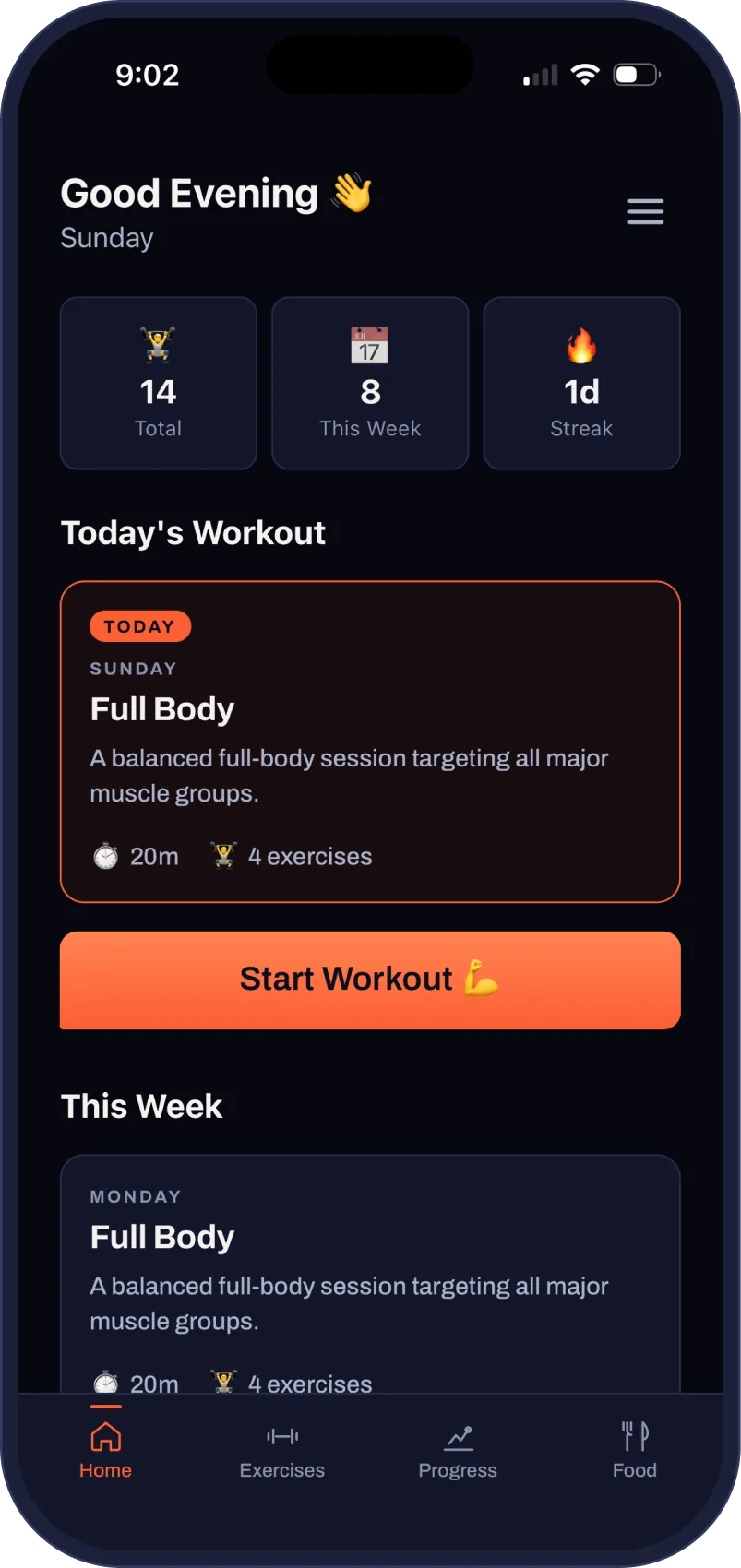
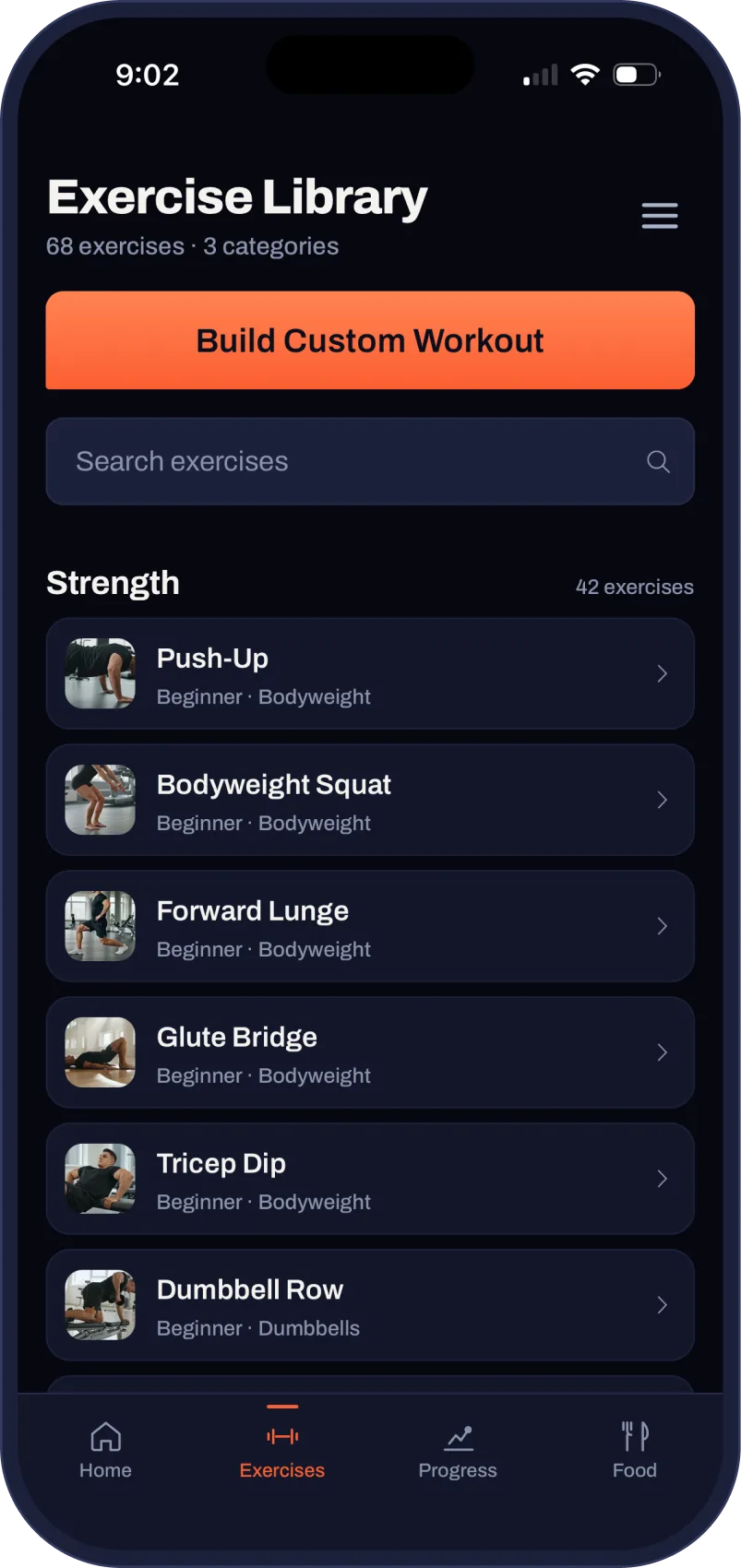
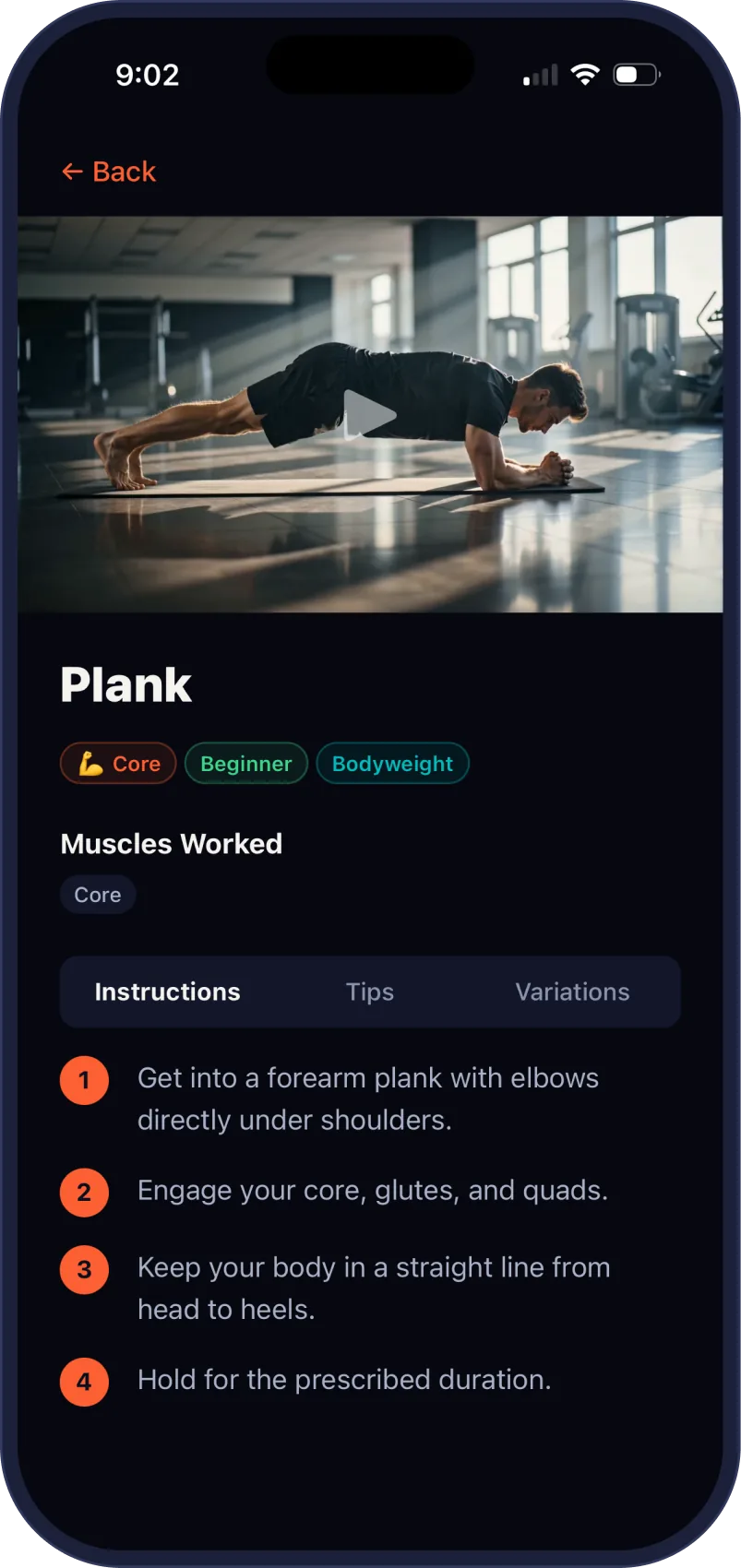
iOS, Android, or web. Real code, a real backend, real data, running on a device you can hand to someone.

A design system in Figma

Components, tokens and documentation in a file you can hand off to a developer or keep extending yourself.

A marketing landing page

A live site with your story, your screenshots, and a working waitlist or download link.

A launch plan

App Store optimization, a Product Hunt post, and a go-to-market playbook written for your product specifically.

03 · Commercial terms

What you are signing up for

These are the things you need in order to decide, so they belong on the page rather than in a terms modal.

Tuition Was $2,400, now $1,200 one time Or three monthly payments of $450, down from $900. Payment plans are binding for the full program once the cohort begins.
Last day to register Aug 24, 2026 Registration closes two weeks before the cohort starts, so there is time to get you set up before week one.
Weekly rhythm ~10 hrs per week A 2-hour live workshop every Tuesday, recorded. Wednesday to Friday are your build days, with async channels and drop-in office hours. Peer review every Friday.
Access Lifetime Lifetime access to the community, all recordings, and every future curriculum update. A private Discord for your cohort.
Entry By application Places are confirmed on approval and payment. Applying costs nothing and does not commit you.
Prerequisites None No coding background is assumed at any point. You need an idea and the ten hours.
04 · Drawn and checked by

Who teaches this

Nick McInnis teaches every cohort. Before design, he worked in yacht engineering, which is to say he has done the thing this program asks of you: change what you do for a living, learn a craft from the beginning, and get good enough at it to ship.

Eight years and forty-odd projects later, the work sits between product strategy and the details that make something feel finished. That is the same ground the program covers, in the same order.

More about Nick's work

Experience
8 years
Projects shipped
40+
Companies
12+
Previously
Yacht engineering
Based in
Squamish, BC
05 · Toolkit

What you will actually use

Taught hands-on, in the week you need them. If a tool name here means nothing to you yet, you are exactly who the program is built for.

Claude and ChatGPT

Your thinking partner. Idea pressure-testing, copywriting, research synthesis, and reading code back to you in plain English.

Figma, with AI plugins

Where your screens get designed. Weeks 3 to 6 live here.

Cursor and v0

AI-first coding tools. They are how someone without a development background produces a working interface.

Supabase

The back end: accounts, database, file storage. Set up and deployed in week 8.

Expo and React Native

Write the app once, ship it to both iOS and Android. One codebase, two app stores.

Midjourney and Runway

Product visuals, App Store screenshots and marketing assets that look considered on day one.

06 · Before you apply

Not sure your idea is the right one

If you have an idea but you are not certain it is the one worth twelve weeks, this will help you find out. Copy the prompt, paste it into Claude or ChatGPT, and it will interview you and help you land on something you could genuinely build here. It takes about ten minutes.

App idea finder · paste into Claude or ChatGPT

The prompt suggests Wispr Flow for voice input. That link is a referral link, which costs you nothing extra and pays us a small amount. The prompt works exactly the same if you skip it.

Preview the full prompt
You are a warm, curious idea-finding guide. The person you are helping wants to build an app, but they do not yet know what app to build. That is completely normal and it is exactly what you are here for. Your job is to interview them like a good friend who happens to be brilliant at spotting opportunities, help them explore, and gently hone in on one or two simple app ideas they could actually build in a 12-week beginner program. No coding or tech experience is assumed. HOW TO TALK WITH THEM (follow these the whole way) - Plain language only. Never use jargon. If a technical word slips out, explain it in one short sentence. - One thing at a time. Ask one question, or one small group of related questions, then wait for the answer. Never dump a long list at once. - Be genuinely curious. React to their answers, reflect back what you heard, and dig one level deeper when something sounds promising. - Keep it light and encouraging. This should feel like a fun conversation, not a job interview. - Offer input near the end and use multiple-choice options when the tool supports them, so they never face a blank page. OFFER VOICE INPUT FIRST Before anything else, let them know this is a real back-and-forth conversation, so talking is usually much easier and faster than typing. Ask whether they want to set up Wispr Flow, a free-to-try app that turns speech into text anywhere on their computer: https://ref.wisprflow.ai/elementedu . If yes, wait for them. If no, continue right away. STEP 1: GET TO KNOW THEM Work through these one at a time, in a natural order. Do not rush. The best app ideas hide in the details. - What kind of work do they do day to day? What is easy for them, and what is annoying or repetitive? - What have they done in past jobs? Walk back through a few previous roles. - What are their hobbies, interests, and the things they could talk about for hours? - What activities fill their week: sports, clubs, volunteering, side projects, routines? - What do the people around them do? What do those people complain about or wish was easier? - Is there a community, group, or type of person they know really well? - What do they find themselves organizing, tracking, or reminding people about, on paper or in a spreadsheet? - What is a small, everyday frustration they wish someone would just fix? Follow the energy: when they light up about something, ask more. STEP 2: REFLECT BACK Summarize what you have learned in a few friendly sentences, and name the three or four themes with the most potential. Ask if that sounds right and if anything is missing. STEP 3: EXPLORE IDEAS TOGETHER Offer four to six simple app ideas drawn directly from what they told you. For each: a plain-English name, one sentence on who it helps and the problem it solves, why it fits them specifically, and a simple sense of what the app would let people do. Keep every idea small and realistic for a beginner to build in 12 weeks: a focused tool that does one job well, not the next giant social network. Then talk it through. Ask which ones spark something, and explore, combine and reshape based on their reactions. STEP 4: HONE IN Help them narrow to one favourite idea, or two at most. For the chosen idea, sketch a short plan in plain language: the one core thing the app does, the handful of screens it would need, who the first users could be, and why it is doable in twelve weeks. STEP 5: OFFER THE FREE PLANNING SESSION Once they have landed on an idea they are excited about, congratulate them. Then offer a free app planning session with Element Education to map it out in more detail: https://tidycal.com/wildwolf/app . If they are torn between two ideas, tell them that is a great thing to bring to the session.
07 · Graduates

In their words

First name and last initial, at their request. We are asking graduates for permission to link their apps here; until they say yes, this section stays as quotes rather than claims we cannot show you.

"I came in as a graphic designer with zero dev experience. I left with an iOS app, 300 beta users, and an investor meeting lined up."
Maya L. · Graduate
"The AI-first approach is real. I built the entire backend using Supabase and Cursor prompts. My app has been live for four months and is profitable."
James T. · Graduate
"Best investment I made. The cohort community alone was worth it. I have launched three projects since graduating."
Sofia R. · Graduate

Bring the idea
Leave with the app

The planning session is free, it is one to one, and it is about your idea specifically. If the program is not right for you, you will leave knowing that and knowing what to do instead.

At a glance
Cohort 05 starts
Sept 7, 2026
Last day to register
Aug 24, 2026
Tuition
Was $2,400, now $1,200
Shipped so far
38 of 39

Figures as of July 27, 2026